
Mara: Today’s episode comes from ಅರಳಿ ಮರ, and we’re spending our time on one of those questions that doesn’t resolve cleanly — the relationship between religion and politics, traced through real ground-level encounters in Sikkim and Bhutan.
Pip: Let’s start with where faith and power actually meet.
Religion, Politics, and the Ground Between Them
Mara: The post opens with a tension that runs through every tradition: religion and spirituality are not the same thing, and that distinction matters the moment religion touches governance.
Pip: The piece puts it directly. The author writes: “ಯಾವುದೇ ಧರ್ಮದ ಮೂಲ ವಿಚಾರ ಸರ್ವವಸಮಭಾವ ಮತ್ತು ಭಗವಂತನ ಸಾಯುಜ್ಯ ಆಗಿರುತ್ತದೆಯಾದ್ದರಿಂದ, ಜನರನ್ನು ಭಿನ್ನ ಗಡಿ-ಗೋಡೆಗಳಲ್ಲಿ ಗುರುತಿಸುವ ರಾಜಕೀಯದೊಡನೆ ಅದರ ಸಂಬಂಧ, ಅದರ ನೈತಿಕತೆಯನ್ನು ಪ್ರಶ್ನಿಸುವಂತೆ ಮಾಡುತ್ತದೆ.”
Mara: So the upshot is this: if a religion’s core aim is universal equality and liberation, then aligning with politics that draws borders between people creates a direct ethical contradiction — and that contradiction demands scrutiny, not softness.
Pip: And this isn’t treated as a modern problem or a local one. The piece moves across Indian dynasties, the papacy, Arabian rulers, and Buddhism — the argument is that no tradition has stayed outside this entanglement.
Mara: The Sikkim example is where the argument gets concrete. In the seventeenth century, three Tibetan lamas crowned Phuntsog Namgyal — a Butia leader with good ties to the indigenous Lepcha community — as king, and directed the fragmented region to unite as one kingdom under Buddhist rule.
Pip: A democratic region, by the account here, absorbed into monarchy — and it stayed that way until 1975. That’s a long downstream consequence from one coronation ceremony.
Mara: What makes the analysis careful is that it doesn’t flatten the judgment. The Namgyal dynasty, the piece notes, governed with dignity and compassion, laid foundations for education and modernization, and even wove Lepcha and Butia cultures together through intermarriage. The political motive and the human outcome don’t cancel each other out.
Pip: Bhutan adds another texture — a travel encounter where the guide recounting Buddhist history had himself converted to Christianity, and the driver followed an indigenous faith. Religion as state identity and religion as personal choice sitting in the same vehicle, so to speak.
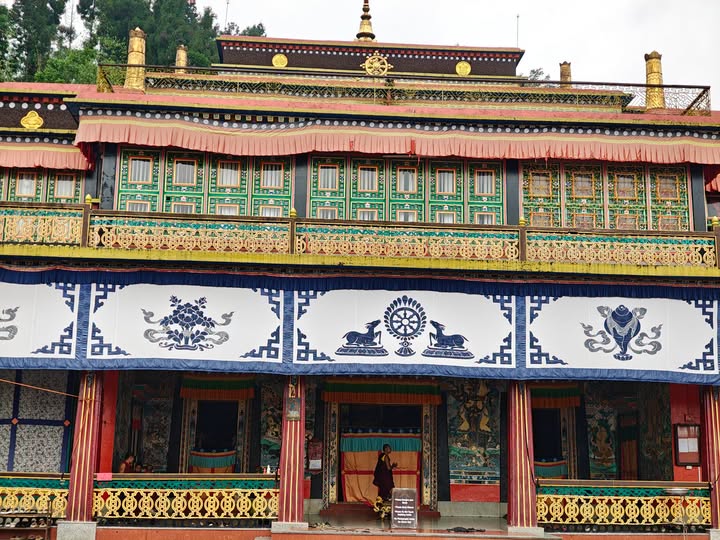
Mara: The Rumtek Monastery visit in Sikkim surfaces the Karmapa succession dispute — a guide critical of the lamas on one visit, a driver critical of the current Karmapa’s alleged greed on another. The piece lets those voices stand without resolving them.
Pip: What holds the whole thing together is the closing observation — that religion in politics and politics in religion are so thoroughly interwoven that neither can be viewed with a lenient eye, even when the intentions weren’t purely self-serving.
Mara: And the question it leaves open is the harder one: whether erasing distinct identities under a single religious umbrella is any less troubling than the divisions politics draws.
Pip: What stays with me is that the piece doesn’t ask you to pick a side — it asks you to keep looking.
Mara: That tension between universal aspiration and political reality isn’t going anywhere. It’s worth returning to.


 ಅರಳಿಮರ